EXECUTIVE FUNCTION SKILLS
We build the skills behind successful learning.
Knowing what to do and being able to organize, begin, manage, and finish the work are two different things. Executive function challenges can make school difficult even for students who understand the material and demonstrate strong academic abilities.
At ASOP, executive function skills are integrated throughout instruction and daily school life. Rather than simply expecting students to be organized or manage their time independently, we teach these abilities through explicit instruction, practice, feedback, and accountability.
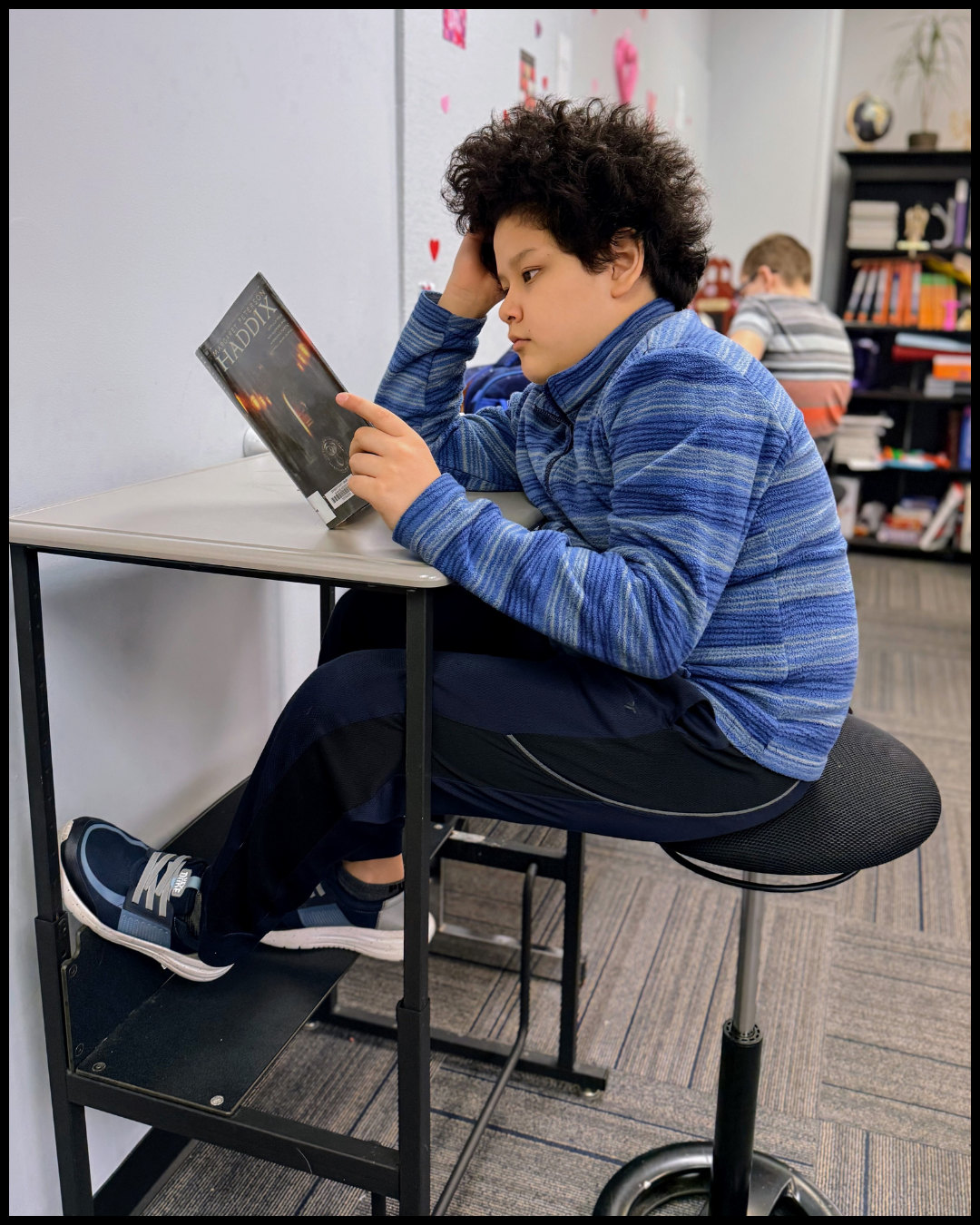
Students develop skills such as:
Getting started on tasks and following through to completion
Organizing materials, assignments, and information
Planning ahead, prioritizing responsibilities, and managing time
Sustaining attention and managing distractions
Breaking larger assignments into manageable steps
Developing effective study habits and monitoring their progress
Recognizing when they need help and communicating their needs
The goal is not simply to help students complete today's assignments. It is to help them become increasingly confident, capable, and independent learners.
To further this growth, our approach includes:
Support from teachers and counselors: A student may get help identifying the first step of an assignment, using Google Classroom to locate work, or breaking a larger task into manageable pieces.
Digital Daily Report Cards (DRCs): DRCs give students and families daily feedback on classroom progress, highlight successes, and help staff identify patterns that may call for additional support. Five possible points are tied to clearly defined expectations, three of which address executive function skills. DRCs also provide an important channel of communication between school and home.
Homework: Homework is designed to reinforce learning and build responsibility and independent work habits, with expectations that are appropriate to students’ needs and abilities.
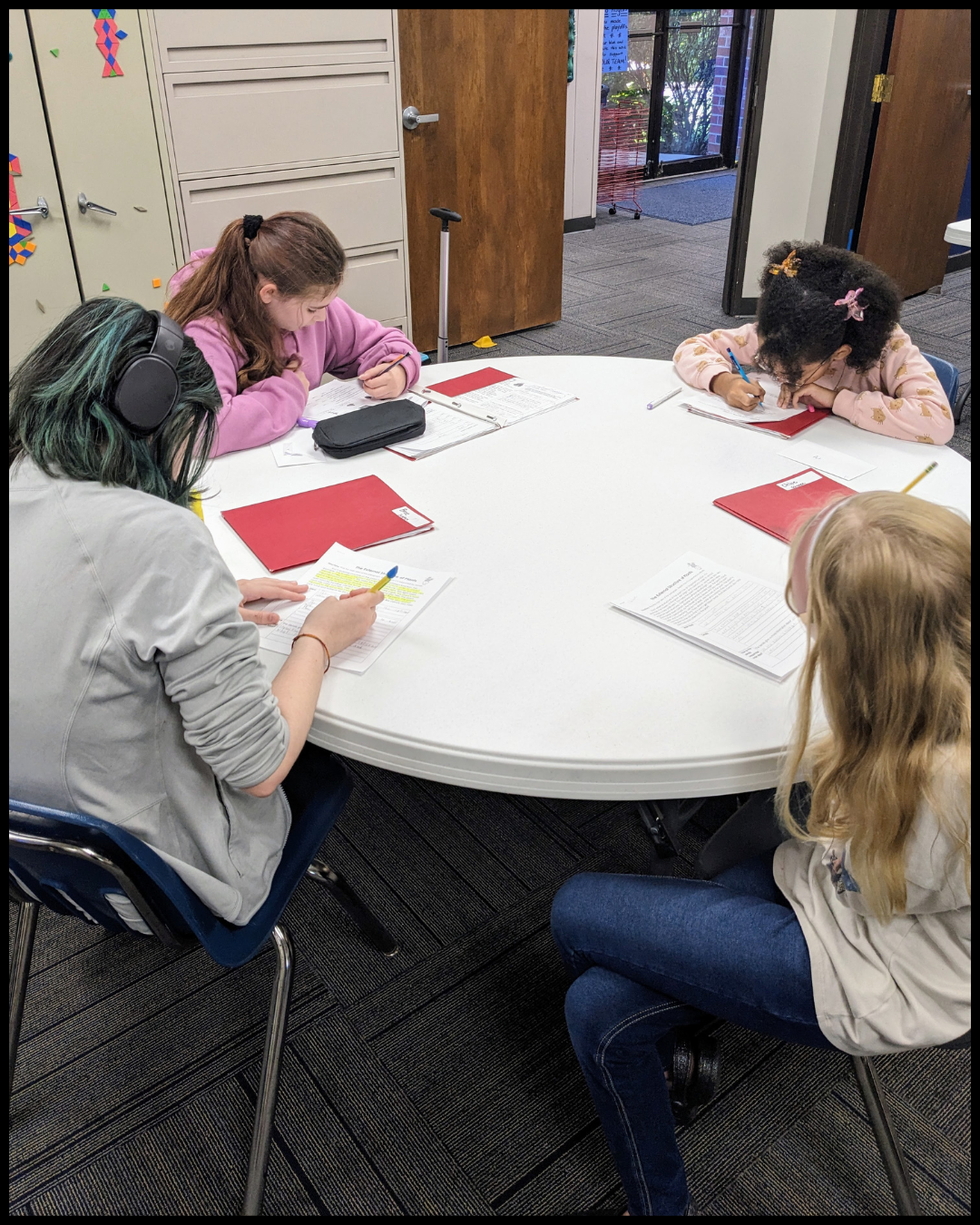
Resource Period: During resource period at the end of the school day, teachers work closely with students as they complete homework, helping them stay organized, manage their time, and develop effective work habits. Teachers also monitor students’ progress by reviewing their DRCs and identifying areas where additional guidance may be helpful.
Incentive Program: ASOP’s Incentive Program, which families are encouraged to participate in, provides tangible rewards to reinforce student progress. A student’s DRC scores and homework compliance directly affect the amount they can earn each day. This system reinforces expectations and provides an additional incentive for students to practice accountability and follow-through.
Predictable routines, teacher check-ins, clear expectations, progress feedback, and a dedicated resource period provide structured opportunities for students to practice executive function skills with support.
“I absolutely love this school. My child has learned confidence, leadership skills, and responsibility. She really loves her teachers and has gone from a C student to an A student and actually does her homework without being told for the first time in years. It has been a great experience.”